
textured mirror glass
How to Adjust a Water Pressure Reducing Valve A water pressure reducing valve (PRV) is a critical component in plumbing systems, particularly in areas where the municipal water supply pressure is too high. These valves help to regulate and lower the incoming water pressure to a safe and manageable level. Adjusting a PRV can improve the performance of your plumbing fixtures, extend the lifespan of your appliances, and enhance water efficiency. Here’s a step-by-step guide on how to adjust a water pressure reducing valve effectively. Understanding the Valve Before you begin the adjustment, it’s essential to understand how a PRV works. The valve typically has an adjustment screw or knob that controls the spring mechanism inside. This mechanism regulates the pressure of the water that passes through the valve. Tools You’ll Need - Adjustable wrench or pliers - Pressure gauge (for accurate measurements) - Screwdriver Step 1 Check the Current Pressure Before making any adjustments, you should determine the current water pressure in your system. To do this, attach a pressure gauge to an outdoor faucet or any other accessible water outlet. Turn on the water and note the pressure reading. The ideal household water pressure usually ranges between 40 to 60 psi (pounds per square inch). Step 2 Locate the PRV Identify the location of your PRV. It’s typically found near the main water supply line, often close to the water meter. The valve may look like a bell-shaped device or a cylindrical body. how to adjust water pressure reducing valve Step 3 Make Adjustments Once you have located the PRV and noted the current pressure, you can proceed with the adjustment 1. Loosen the Lock Nut If your PRV has a lock nut, use your adjustable wrench to loosen it, allowing you to turn the adjustment screw comfortably. 2. Adjust the Screw To increase the water pressure, turn the adjustment screw clockwise. To decrease the pressure, turn it counterclockwise. Make small adjustments (about a quarter turn) and re-check the pressure after each adjustment using the pressure gauge. 3. Recheck Pressure After making your adjustments, turn on a few faucets in your home to allow the system to stabilize. Take another reading with the pressure gauge to ensure the pressure is within your desired range. Step 4 Secure the Adjustment Once you have achieved the desired pressure, remember to tighten the lock nut on the PRV to keep the adjustment secure. Conclusion Adjusting a water pressure reducing valve is a straightforward process that can greatly benefit your plumbing system. By ensuring that you maintain an appropriate water pressure, you can optimize the efficiency of your plumbing fixtures and appliances. Regular checks and adjustments can help prevent leaks and damage, ensuring a longer lifespan for your plumbing system. If you encounter persistent issues or are unsure about the adjustments, don’t hesitate to consult a professional plumber for assistance.
about
textured mirror glass
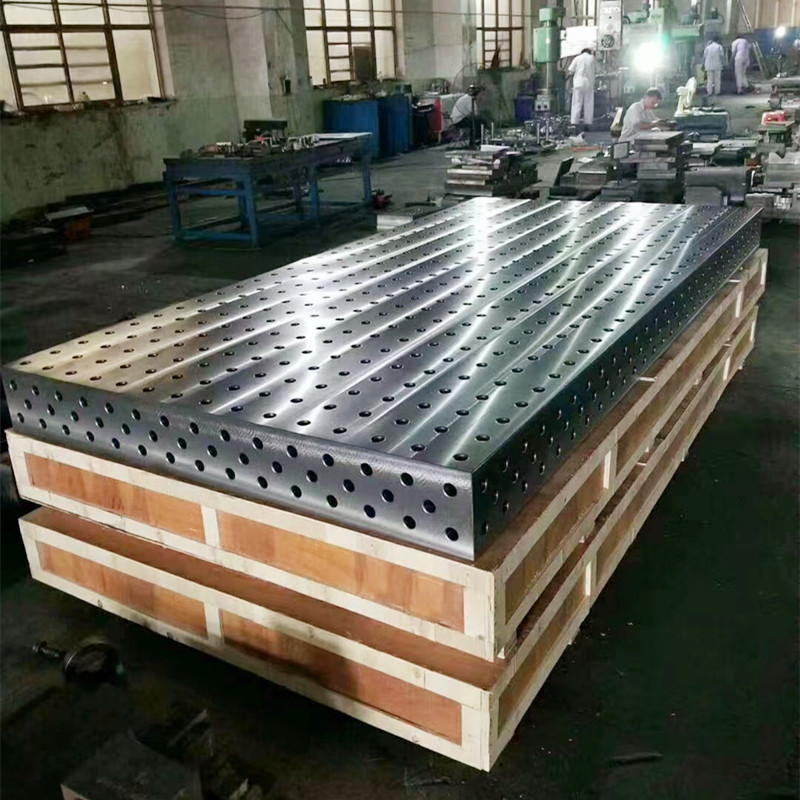
Why a measurement platform still anchors modern quality control Factories love buzzwords, and metrology is having a moment. AI checks, digital twins, edge analytics… yet, on every serious shop floor I visit, the quiet hero is still a rock-solid measurement platform . To be honest, when you dial in flatness and stability, you eliminate a lot of downstream noise. That’s where STR Machinery’s unit from Botou, Cangzhou (No.17, Building 11, Hardware Building Material City, Hebei, China) keeps popping up in conversations—wear resistant, stable, and, as many customers say, “hard to deform” even under daily abuse. Industry trends (and what buyers actually ask for) Two shifts stand out: tighter GD&T tolerances in EV and aerospace work, and the spread of inline verification. That means a measurement platform has to pair high flatness grades with decent mobility, vibration damping, and easy re-certification. Surprisingly, customization is now the norm—T-slots for clamping, inserts for jigs, and surface finishes that don’t bruise optics or delicate housings. Core specifications at a glance Base materials High-strength cast iron (HT250/GG25) or granite (black/diabase), application-driven Flatness grades Grade 00 / 0 / 1 per DIN 876, ISO 8512; ≈3–10 μm per meter (real-world use may vary) Surface finish Ra ≤ 1.6 μm (scraped cast iron) or honed granite Hardness / density Cast iron HB 170–220; Granite density ≈2.9 g/cm³ Load capacity Up to 5,000 kg (custom frames/stands available) Options T-slots, inserts (M8–M16), lifting points, leveling feet, vibration-isolation pads Process flow and quality controls Materials: selected cast iron with controlled pearlitic matrix or low-porosity granite blocks. Methods: stress relief (thermal aging), rough machining, semi-finish milling, fine scraping/lapping, final hand calibration. Testing standards: flatness verified per DIN 876 and ISO 8512; spot pattern checks, autocollimator sweeps, and repeatability mapping. Test data example: Grade 00, 1000×1000 mm, flatness ≤ 3.5 μm; repeatability ±1.5 μm; traceability via ISO/IEC 17025 lab certificates. Service life: around 8–12 years in typical machining environments; longer with covers and periodic re-scrape. Industries: EV drivetrains, aerospace brackets, precision molds, medical device housings, optics assembly. Why this measurement platform wins on the floor It’s the combination: wear resistance, stubborn stability, and—actually—a finish that forgives real-world handling. The origin matters too; Botou’s casting and stoneworking ecosystem keeps lead times sane. Certifications? The factory quality system aligns with ISO 9001, and calibration reports can be issued by ISO/IEC 17025-accredited partners. Customers tell me they notice fewer reworks after swapping in this measurement platform , especially for parts with tight positional tolerances. Vendor comparison (quick, practical view) Vendor Material Flatness grades Max size Lead time Notes STR Machinery Cast iron / Granite 00 / 0 / 1 ≈3000×2000 mm 4–6 weeks Strong customization, fair pricing Vendor A Granite only 0 / 1 ≈2000×1500 mm 6–8 weeks Great polish, fewer options Vendor B Cast iron 0 / 1 ≈2500×1500 mm 5–7 weeks Solid basics, limited T-slots Customization and real-world feedback Options span stand height, epoxy infill, coolant-safe coatings, and datum tag engraving. Shipping crates are moisture-controlled—small detail, big impact. One EV plant reported a 22% drop in gauge R&R variation after moving critical checks onto this measurement platform . A medical device assembler (clean area) liked the low particle shedding of the honed granite version—less wipe-down between lots. Application snapshots Automotive powertrain: fixture plates bolted to the measurement platform for inline cam-cap height checks. Mold shop: blueing and scraping on cast iron measurement platform to recondition reference faces. Optics: granite measurement platform under vibration pads for lens barrel coaxiality checks. Standards and traceability matter. Specify the grade you need, ask for a calibration map, and—this is my usual nudge—budget a re-verification every 12–18 months or after a move. References DIN 876: Flatness tolerances for surface plates. ISO 8512-1/-2: Surface plates — Granite and Cast Iron — Specifications and verification. ASME B89.3.7: Granite surface plates — Methods for inspection. ISO 9001:2015 — Quality management systems — Requirements. ISO/IEC 17025: General requirements for the competence of testing and calibration laboratories.
-

High quality industrial productsagement

High quality industrial products
View Details -

Meet the diverse needs of customers

Meet the diverse needs of customers
View Details -

Strict quality control

Strict quality control
View Details -

Top raw materials

Top raw materials
View Details -

Trusted supplier

Trusted supplier
View Details
Our application


news and information
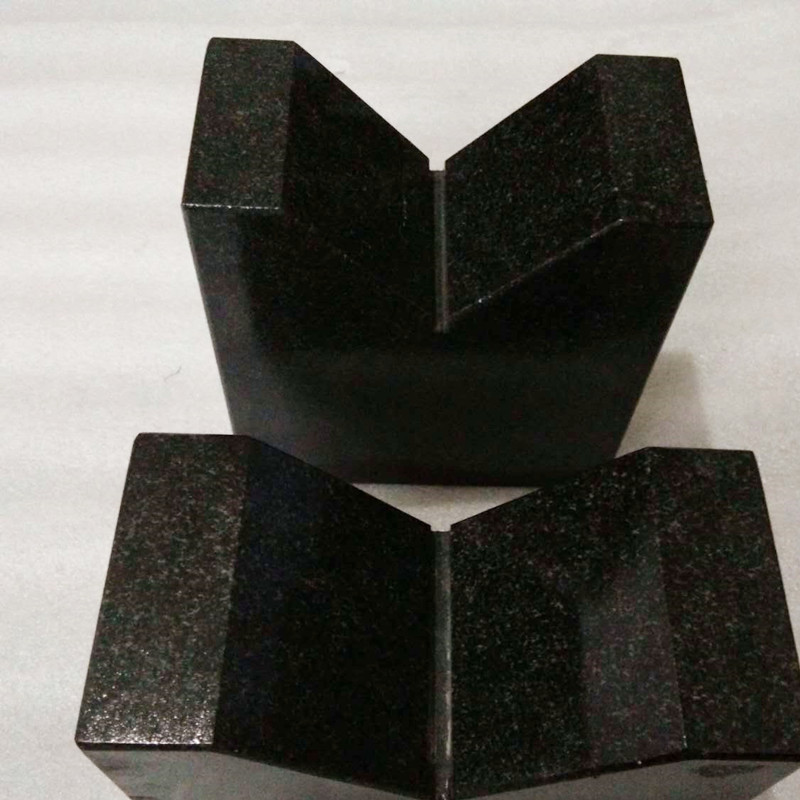
v block cost
Understanding V-Block Cost A Comprehensive Overview In the rapidly evolving landscape of technology
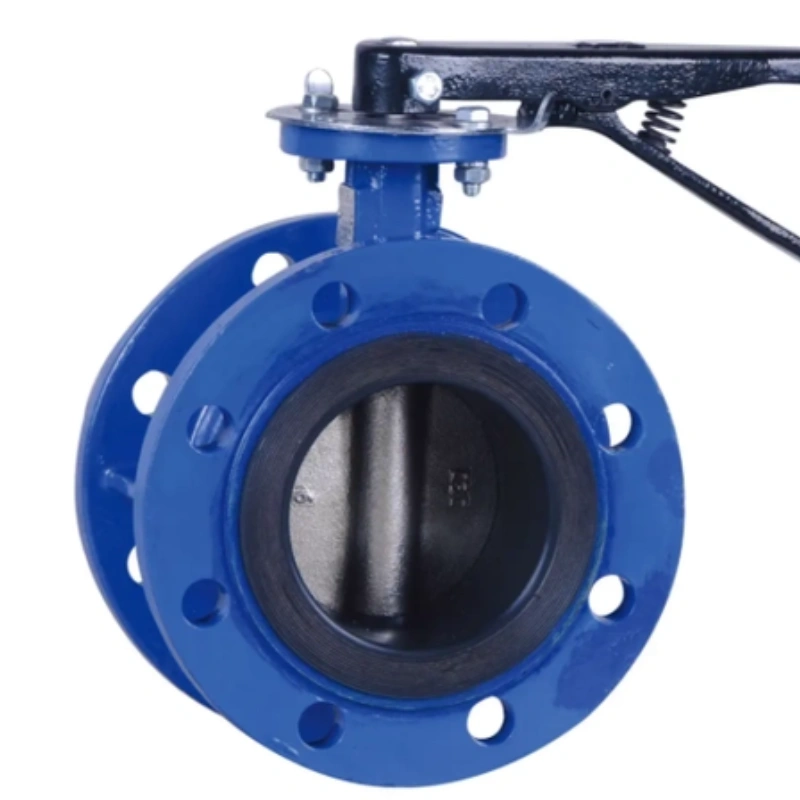
Vanne papillon 15 mm - Performances et applications
La vanne papillon de 15 mm est un élément essentiel dans le domaine de la régulation des fluides. Gr

Water Supply System Check Valve Inspection and Maintenance Guide
Understanding Water Main Check Valves Importance and Functionality Water main check valves play a cr
 English